Wednesday, September 14, 2016

Pic1 
I used this photo because the background doesn't distract from the main point. Which is the building and the fire. The idea for this photo was simplicity, and I thought this photo worked well for it.


Pic3

For this picture I thought it could for rule of thirds. Rule of thirds is when the main point is in one of the points where the lines meet. 

For this picture I thought the lines on the building structure was cool and was like the main point of the picture. Even though its not necessarily the main part it still adds a lot.

For this picture I thought it was good for balance. Balance is where like everything in the photo is balancing everything else out. 

This photo I thought represented border merger well. Because it cuts off the rest of the picture. Like if you look more on the left side of the picture there are more noticeable things getting cut off. 


This picture is showing near merger because you see the firefighter bending down but then you can distracted by the things in the background.

Monday, September 12, 2016

My Four Best


In this picture I used rule of thirds.
In this picture I used simplicity.


In this photo I used the rule of lines.


In this photo there wasn't really a rule. I kind of used simplicity or rule of thirds. 

My Thoughts


When I read those two articles I wasn't shocked, because I've heard all those stories before. Im not saying like its not a big deal but I have heard them before. When I do read that stuff it is sad and its hard to realize like what if i knew someone that died. That would be hard. It still is  hard because those people did not deserve that nor knew about it. 


Pic1  


Simplicity


Pic3   Rule of Thirds


  Lines


  Balance


  Border Merger


  Near Merger

Friday, September 9, 2016

"The Camera"


1) The saying "camera obscura" is latin for "dark room." The hole was suppose to like a lens, transferring the light onto the wall.
2) The camera was inhancing when Isaac Newton and Christian Huygens increased there knowledge of optics and how to make lens better.
3) Niepce created film in the camera which is still around in modern day cameras. Along with, glass lens, and a dark box.
4) The part that Niepce created thats still around is the film in cameras.
5) In modern day cameras they have built in computer gadgets to focus and exposure, unlike old cameras.
6) Auto Mode is what most cameras are set to. It makes photography a lot easier. You can just aim, and take a picture.
7) The Portrait Mode is suppose to be used for when you are taking pictures and want to blur out the background. When taking the picture the camera uses the fastest lens.
8) The Sport Mode is used for freeze motion, it takes pictures in the fastest shutter possible.
9) You should only half press the trigger so it will focus.
10) That symbol means there is no flash on. You should use it when the photographer maybe wants it more dramatic.
11) This symbol is when the flash is on automatic, which means the flash will go off when the camera thinks the photo needs more light.
12) If there is too much light the picture will not look "real-life." Also will make the photo look over exposed.
13) If there is not enough light in the photo it will look too dark.
14) The term "stop" is meant so the photographer can adjust the lighting on the camera.
15) If there are two suns instead of one, it will be one stop brighter.
16) If there are four suns instead of two, it will be two stops brighter.
17) If the shutter is longer than it will make the photo brighter.
18) The affect a shorter shutter is that the picture will be darker.
19) The aperture control controls the lighting, like a pupil.
20) You can adjust the aperture by moving the aperture settings, by moving like f6 to f8 is two stops brighter.

Wednesday, September 7, 2016

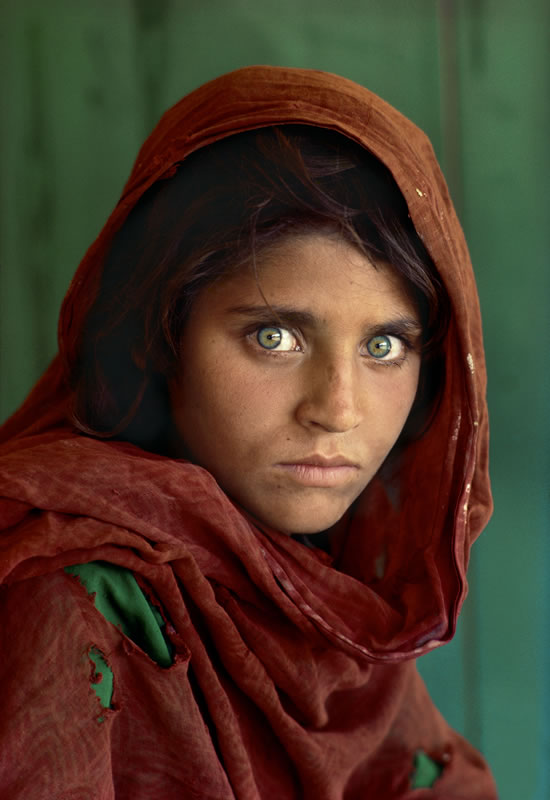
Steve McCurry


Afghan Girl

Micheal Kenna


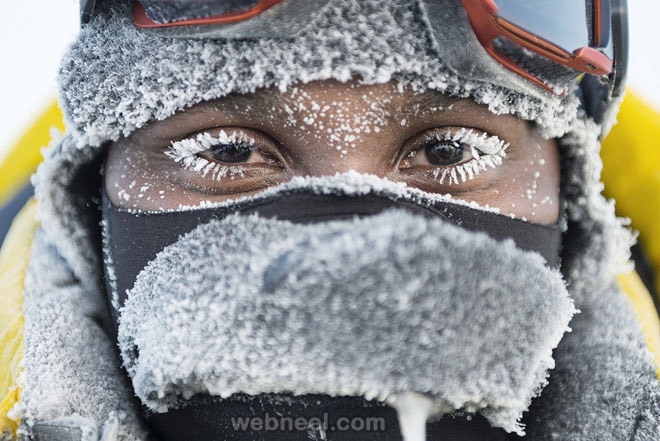
Christian Aslund


Black and White Photography


Berenice Abott


This picture is called "Tri-Boro Barber School, 264 Bowery"


Alvin Langdon

St. Paul's Cathedral from Ludgate Circus

 Robert Doisheau


 The Fallen Horse Paris 1942